The short answer: most UK commuters end up with two pairs of cycling gloves, not one. A light full-finger or fingerless pair covers spring to autumn, and a warmer pair, ideally windproof and waterproof, covers the cold, wet months. If your hands still go numb on the worst winter mornings, lobster-style gloves are the next step. Buy for the weather you actually ride in, and make sure you can still brake, change gear and signal clearly with them on.
Gloves get a single line in most “what to wear” guides, including ours. This page goes further: the main types, what the waterproof labels really mean, and the details that matter on a commute rather than a weekend ride.
Why bother with gloves on a commute?
Your hands sit at the front of the bike, in the full wind, doing very little work to keep themselves warm. On a cold morning they are usually the first thing to go numb, and numb fingers are slow on the brake levers. That is a safety point, not just a comfort one: Rule 66 of the Highway Code tells cyclists to “avoid any actions that could reduce your control of your cycle”, and cold, clumsy hands do exactly that.
Gloves also help in a fall. Putting a hand out is instinctive, and a layer of fabric or leather between your palm and the road is better than none. In summer, a light pair stops sweaty palms slipping on the grips.
The main types of cycling gloves
Fingerless (mitts)
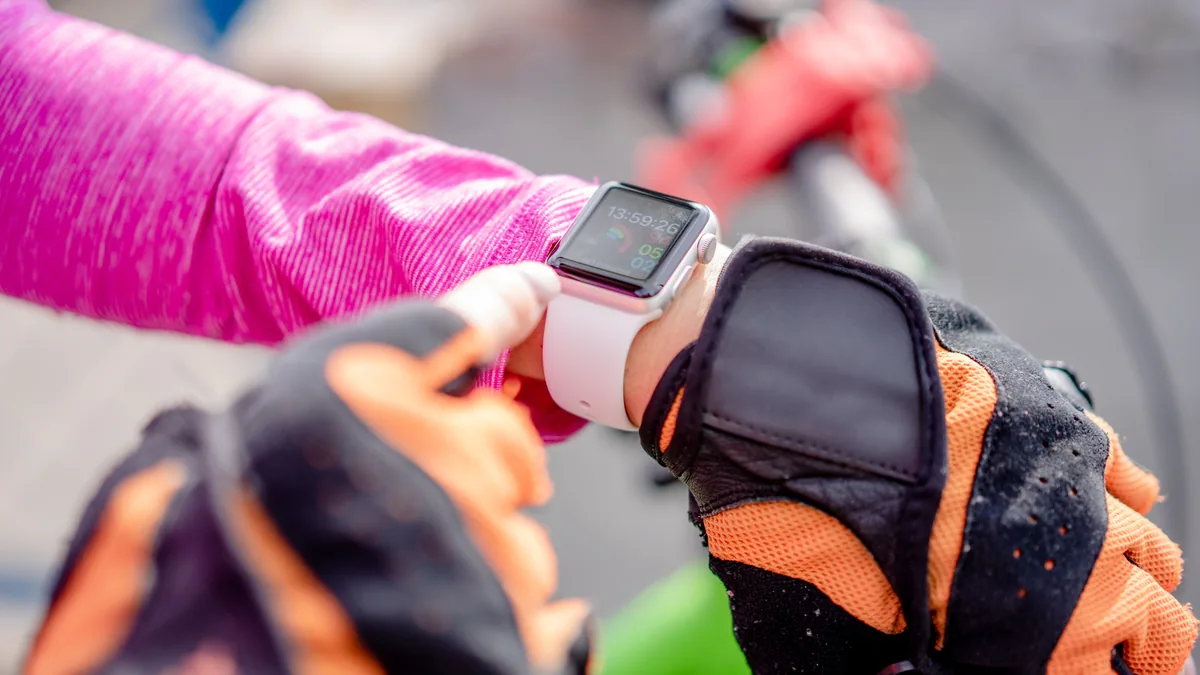
Short-finger gloves cover the palm and the back of the hand but leave the fingertips free. They are the summer option: cool, quick to dry, and you can use a phone or a key without taking them off. Most have some padding in the palm. They offer nothing against cold, so they suit warm months only.
Lightweight full-finger gloves
Thin full-finger gloves are the most useful single pair for a UK commuter. They take the edge off chilly spring and autumn mornings, protect the whole hand in a fall, and are thin enough for good feel on the levers. They are rarely waterproof, so treat them as cool-weather gloves rather than rain gloves.
Winter gloves
Insulated winter gloves are thicker, often with a windproof outer layer, a fleecy lining and a longer cuff that tucks under a jacket sleeve. The trade-off is bulk. A very thick glove can make it harder to feel the brake levers and work small gear shifters, so try them on with your hands in the riding position before you commit.
Lobster (split-finger) gloves
Lobster gloves sit between a glove and a mitten. Pearl Izumi describes its AmFIB Lobster design as one that “separates the index and middle fingers for precise leverage”, while “grouping the ring and pinkie together for maximum warmth”. Fingers that share a compartment warm each other, so lobster gloves suit people whose hands get cold easily, or anyone riding on frosty mornings. You give up some dexterity, but you keep two fingers free for the brakes.
Liner gloves
A thin liner worn under a winter glove adds a little warmth and lets you take the outer glove off for a minute without exposing bare skin. It is a cheap way to stretch an existing pair further into winter.
Waterproof, windproof or water-resistant?
These labels are not interchangeable, and the difference matters on a wet commute.
- Waterproof gloves usually have a membrane sandwiched between the outer fabric and the lining. Sealskinz, for example, describes its Aquasealz membrane as “100% waterproof and breathable” and places it in the mid-section of the glove. GORE-TEX says that its glove products are “guaranteed waterproof, windproof, and breathable”.
- Windproof gloves block the wind, which is what chills your hands on most dry winter rides, but they are not built to keep out sustained rain. GORE-TEX, for instance, sells its WINDSTOPPER range as “non-waterproof” products.
- Water-resistant usually means a treated fabric that sheds a shower but will soak through in a long downpour.
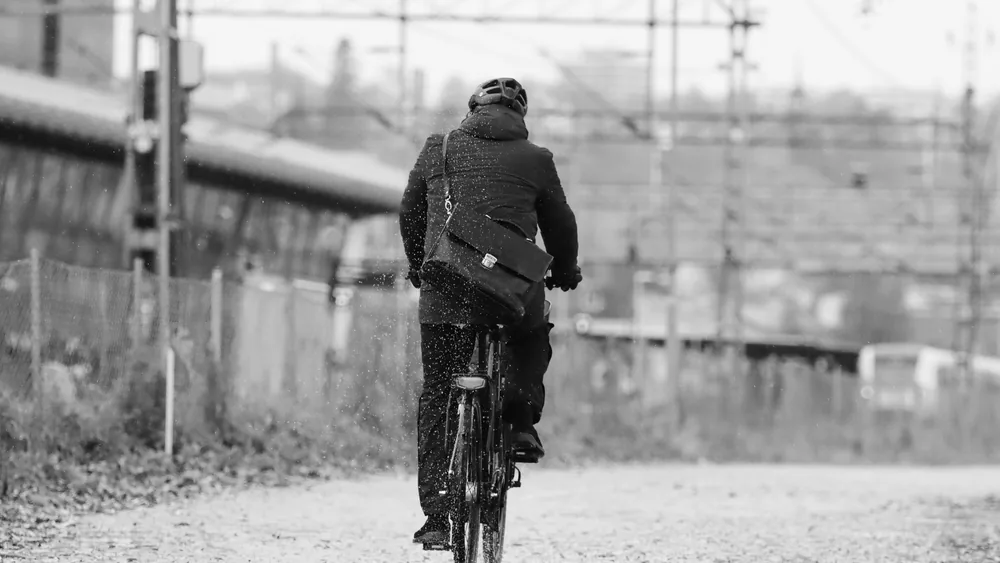
Two practical points. First, a waterproof glove can still fill with water from the cuff if rain runs down your sleeve. Tuck the glove cuff under your jacket sleeve so the water runs over the glove rather than into it. Second, a fully waterproof glove is warmer and less breathable, so it can feel clammy on a mild, wet day. For the usual British drizzle at moderate temperatures, a windproof glove that dries quickly is often more pleasant than a heavy waterproof one. Our guide to cycling in the rain covers the rest of the wet-weather kit.
Features worth paying for on a commuting glove
- Touchscreen fingertips. Useful if you check directions or unlock a door with your phone. Check which fingers work: on Pearl Izumi’s AmFIB Lobster, for example, “both the index finger and thumb are touchscreen compatible”. Results vary between brands and phones, so do not count on it with a wet screen.
- Reflective or bright details. Your hands move when you signal, so reflective prints on the back of the glove catch car headlights as you point. Rule 67 of the Highway Code asks cyclists to “give a clear signal to show other road users what you intend to do”, and a visible hand makes that signal easier to read after dark. Reflective gloves do not replace lights: Rule 60 says that at night your bike “MUST have white front and red rear lights lit”. See our bike lights guide.
- A nose-wipe panel. A soft patch on the back of the thumb. It sounds trivial until the first frosty morning.
- Pull tabs or a cuff closure. These make gloves quicker to get on and off at the office door, and a closure keeps cold air out of the cuff.
- Grippy palms. Silicone or textured palms help on wet brake levers.
How to get the fit right
Glove sizes vary between brands, so use each maker’s own size chart rather than your size in another brand. A cycling glove should be snug without pressure across the knuckles when you grip the handlebars. Leave a little room at the fingertips in a winter glove: a tight glove squeezes out the insulating air and your fingers get colder, not warmer.
If you can, try gloves on in a shop and mimic the riding position: hands closed around a bar, two fingers out as if on a brake lever. If you have to fight the glove to pull a lever, it is too bulky for your bike.
Which gloves for which commute?
- Short urban commute, all year: lightweight full-finger gloves most of the year, plus a windproof winter pair. Short trips do not give your hands time to get really cold.
- Longer commute or early starts in winter: a windproof or waterproof insulated pair, with lobster gloves or liners for the coldest days.
- Riding in heavy rain most days: a proper membrane glove, plus a second pair so one can dry at work. Wet gloves left in a bag will still be wet at going-home time.
- Summer only: fingerless mitts or very light full-finger gloves.
Prices vary widely between brands and retailers, so check the current price before you buy. If you are buying through a Cycle to Work scheme, check with your provider first: the DfT and HMRC safety-equipment lists name reflective clothing, and cover for other clothing varies between providers (see what the Cycle to Work scheme covers). Our commuting accessories checklist covers what else is worth adding.
Looking after your gloves
- Dry them flat or on a peg at room temperature, not on a radiator. Direct heat can damage leather palms and glued seams.
- Follow the care label when washing. Many gloves can go in the machine on a cool cycle, but membrane gloves often need a gentler wash and no fabric conditioner.
- Turn the fingers back out properly after taking them off wet, or the lining can bunch up inside.
For the rest of your cold-weather kit, see our guides to cycling through a British winter and choosing a waterproof cycling jacket.
Frequently asked questions
Do you need gloves to cycle to work?
They are not a legal requirement in the UK. But cold hands are slow on the brakes, and the Highway Code’s Rule 66 advises cyclists to avoid anything that reduces control of the bike. Most regular commuters wear gloves at least from autumn to spring.
Are lobster gloves warmer than normal gloves?
Generally, yes. Grouping fingers together lets them share warmth, which is the same reason mittens are warmer than gloves. The trade-off is less dexterity, although lobster gloves keep the index and middle fingers separate so you can still use the brakes.
What is the difference between waterproof and windproof cycling gloves?
A waterproof glove has a membrane designed to keep rain out. A windproof glove blocks wind, which is what makes hands cold on dry winter rides, but it is not designed to resist sustained rain. GORE-TEX, for example, sells its WINDSTOPPER gloves as non-waterproof.
Can you use a phone with cycling gloves on?
Only if the gloves have touchscreen-compatible fingertips, and usually only on specific fingers, such as the index finger and thumb. Fingerless mitts leave your fingertips free, so they work with any phone.
Can I buy cycling gloves through the Cycle to Work scheme?
It depends on your provider. The DfT and HMRC safety-equipment lists name reflective clothing rather than gloves, so reflective gloves are the most likely to qualify; Cyclescheme also includes cycle-specific clothing, while other providers are stricter. Check before you order, and see our guide to the Cycle to Work scheme for how it works.
This guide is general information based on the Highway Code and the manufacturers’ own descriptions from Pearl Izumi, Sealskinz and GORE-TEX. Product ranges change, so check the current details and price before you buy.