The short answer: bike share can work well for commuting if a scheme covers both ends of your journey and you ride most working days. In London, Santander Cycles is the docked, TfL-run option, and a monthly or annual pass is usually far cheaper than paying ride by ride. Lime is dockless: you find an e-bike in the app and end the ride in a permitted spot, which is convenient but priced by the minute. Beryl runs bay-based schemes in a number of towns and cities outside London, with minute bundles that bring the cost down for regular riders. Whichever you use, check the current prices in the app on the day, because they change and vary by city.
This guide compares the three for someone riding to work rather than for the occasional trip: how each one works, what they cost (where the operator publishes it), the parking rules that catch people out, and when it makes more sense to own a bike.
Docked, dockless and bay-based: the difference that matters
The biggest practical difference is not the bike. It is where you are allowed to pick it up and leave it.
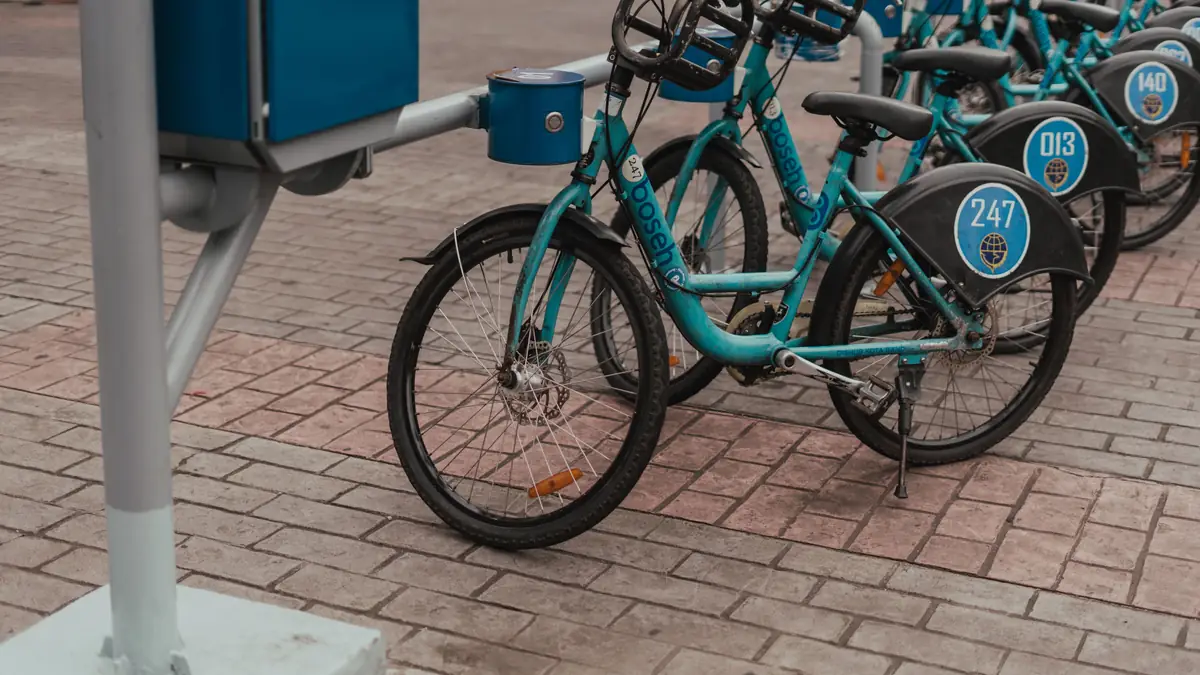
- Docked (Santander Cycles): you take a bike from a docking station and return it to any docking station with a free space. You always know where the bikes live, but at peak times a station near a busy office can be full, or empty.
- Dockless (Lime): the app shows bikes nearby, wherever the last rider left them. You can often start right outside your door, but there is no guarantee one will be there at 8am, and the rules on where you can finish depend on the local council.
- Bay-based (Beryl): a middle ground. You can end a ride only in a marked Beryl Bay, and the operator charges a fee if you leave it elsewhere.
For a commute, reliability beats convenience. A scheme that gets you to work on time every day is worth more than one that is slightly cheaper but leaves you hunting for a bike twice a week.
Santander Cycles (London)
Santander Cycles is London’s docked scheme, run by Transport for London. You can hire a bike with the Santander Cycles app, a membership key, or the terminal at a docking station. The terminal only offers standard pedal bikes, on a single ride or a Day Pass. The e-bikes are hired through the app, where they are marked with a lightning symbol, and they give pedal assistance up to 25km/h.
These are the prices TfL lists on its “What you pay” page, checked on 26 October 2026:
| Option | Price | What it covers |
|---|---|---|
| Single ride | From £1.65 | Up to 30 minutes; £1.65 for each extra 30 minutes |
| Day Pass | From £3.50 | Unlimited rides of up to 60 minutes; £1.65 for each extra 60 minutes |
| Monthly Pass | From £20 a month | Unlimited rides of up to 60 minutes |
| Annual Pass | From £120 a year | Unlimited rides of up to 60 minutes |
E-bikes cost more. On a single ride, an e-bike is £3 for up to 30 minutes and £3 for each extra 30 minutes. With a Day, Monthly or Annual Pass, you pay £1 per e-bike journey plus £3 for each extra 60 minutes.
For a commuter, the passes are where the value is. Take a simple example: two pedal-bike rides a day, each under 30 minutes, on 20 working days. Paying ride by ride, that is 40 rides at £1.65, or £66. The Monthly Pass is £20 and also covers rides of up to an hour. If you would use e-bikes, add the £1 per journey to the pass price before you compare.
Two rules are worth knowing before day one. First, a ride only ends when the bike is properly docked: push it firmly into an empty point and wait for the green light, or you may keep being charged. If the station is full, TfL says you can choose “No docking point free” on the terminal to get an extra 15 minutes to reach another one. Second, you can keep a bike for up to 24 hours by paying the extra ride charges, but TfL warns that you could be charged up to £300 if it is not returned within 24 hours or is damaged.
Lime (London and other UK cities)
Lime runs dockless electric bikes. You open the app, find a bike on the map, scan it and ride. Pay-as-you-go pricing is built from an unlock fee and a per-minute rate, and the app also sells passes and minute bundles. Lime does not publish one national price list. Rates differ from city to city and have changed several times, so the app is the only reliable place to check what a ride will cost you.
For regular riders, the main option is LimePrime, a monthly subscription. According to Cycling Industry News (March 2026), Lime offered it in London, Milton Keynes, Oxford, Manchester (Salford) and Nottingham, with free unlocks, 30-minute reservations and flat-rate rides of up to 20 minutes. The London version was reported at £6.99 a month, with rides of up to 20 minutes at £1.70. Check the current terms in the app before you sign up, and work out whether your door-to-door ride fits inside the flat-rate time.
The reservation feature matters more than it sounds. With a dockless scheme, the bike you saw on the map at 7.50am may be gone by the time you reach the street. Reserving one before you leave home makes a dockless commute far more predictable.
Parking rules in London
Where you can leave a Lime bike depends on the borough, not just on Lime. Some councils have marked parking bays and take enforcement action against bad parking. Hackney Council, for example, says you must end a hire in a cycle hire bay and that riders who ignore the parking guidelines could get a warning or a fine. Wandsworth Council has installed dedicated bays, requires their use in busy town centres, and says its officers impound hire bikes that cause a danger or obstruction. The app shows where you can and cannot end a ride. Check it at your destination, not only at home, because the rules can change when you cross a borough boundary.
Beryl (towns and cities outside London)
Beryl runs bike share schemes in a range of places outside London, including Watford, Bournemouth, Christchurch and Poole, Norwich, Hereford, Leeds, Bradford and Brighton. Depending on the scheme, the fleet can include pedal bikes, e-bikes and e-scooters. Rides end in a Beryl Bay, a marked parking area shown in the app.
Prices are set scheme by scheme, so check your local pricing guide in the app or on Beryl’s help centre. As an example, Beryl’s Leeds pricing guide lists:
- Pay as you ride: a £1 unlock fee, then 17p a minute for e-bikes or 22p a minute for e-scooters.
- Minute bundles: 50 minutes for £8, 100 minutes for £14 or 200 minutes for £24, with free unlocks.
- Fees: £10 for ending a ride outside a Beryl Bay and £25 for ending it outside the service area.
For a commuter, bundles are the obvious choice. Once you know how many minutes your usual ride takes, you can work out how long a bundle will last. Remember the minutes run from unlock to lock, so the time spent finding a bay at the other end counts too.
Which scheme suits a commute?
In most places you will not really be choosing between all three, because each serves different towns. The real decision is usually whether the scheme near you fits your journey. Ask these questions:
- Does it cover both ends? Check where docking stations, bays or the service area sit near your home and your workplace. A ten-minute walk to the nearest bike each way can wipe out the time you saved.
- Is there a bike at the time you leave? Look at the app on a couple of weekday mornings before you commit. Busy stations and popular streets can empty out early.
- Can you end the ride close to work? A full dock or a no-parking zone next to the office means extra minutes, and possibly an extra charge.
- What does a month actually cost? Multiply your usual ride by your working days and compare pay-as-you-go with the passes, bundles or subscription on offer.
- Is your ride longer than the flat-rate time? Pass prices often cover rides up to a set length. Going over adds charges, so time your route honestly, including traffic lights and finding a space.
Bike share also combines well with a train or bus. Instead of taking your own bike on a busy peak train, you can ride the last mile or two from the station. It is the same idea as a folding bike for a mixed commute, without having to carry one.
Bike share or your own bike?
Bike share makes most sense when you are trying cycling out, when you cannot store a bike at home or at work, or when you only ride part of the way. You do not have to worry about theft, punctures or servicing, and you can stop paying when you stop riding.
Owning a bike tends to make more sense once you ride most days and further. You choose a bike that fits you, you can carry what you need, and you are not relying on there being a bike or a space at the right moment. If you are weighing it up, our commute cost calculator lets you compare your current travel costs with cycling using your own figures. If your employer offers it, the Cycle to Work scheme lets you get a bike and equipment through salary sacrifice, which reduces the cost of owning one.
New to riding in town? Our guide to cycling safely in traffic covers road positioning and junctions, and how to start cycling to work covers the rest of the routine.
Frequently asked questions
How much is a Santander Cycles monthly pass?
TfL lists the Monthly Pass from £20 a month, covering unlimited rides of up to 60 minutes. E-bike journeys cost an extra £1 each, and every additional 60 minutes on a ride is charged on top. Check TfL’s “What you pay” page for the current price.
Where can I leave a Lime bike?
Only where the app allows it. The rules are set locally, and some London boroughs, including Hackney and Wandsworth, use designated parking bays. Hackney says ignoring its parking guidelines could lead to a warning or a fine, so check the map before you end your ride.
What happens if I leave a Beryl bike outside a bay?
Beryl charges an out-of-bay fee. Its Leeds pricing guide lists it at £10, with a higher fee for ending a ride outside the service area. Fees are set per scheme, so check the pricing guide for your town.
Can I use the Cycle to Work scheme for bike share?
The Cycle to Work scheme is for hiring a bike and equipment through your employer, not for paying bike share fees. If you ride often enough that a pass is adding up, it may be worth comparing the cost of owning a bike instead.
This guide is general information based on Transport for London, Beryl’s published pricing guides, Hackney and Wandsworth councils, and reporting by Cycling Industry News. Bike share prices and parking rules change, so check the operator’s app for the current terms before you ride.