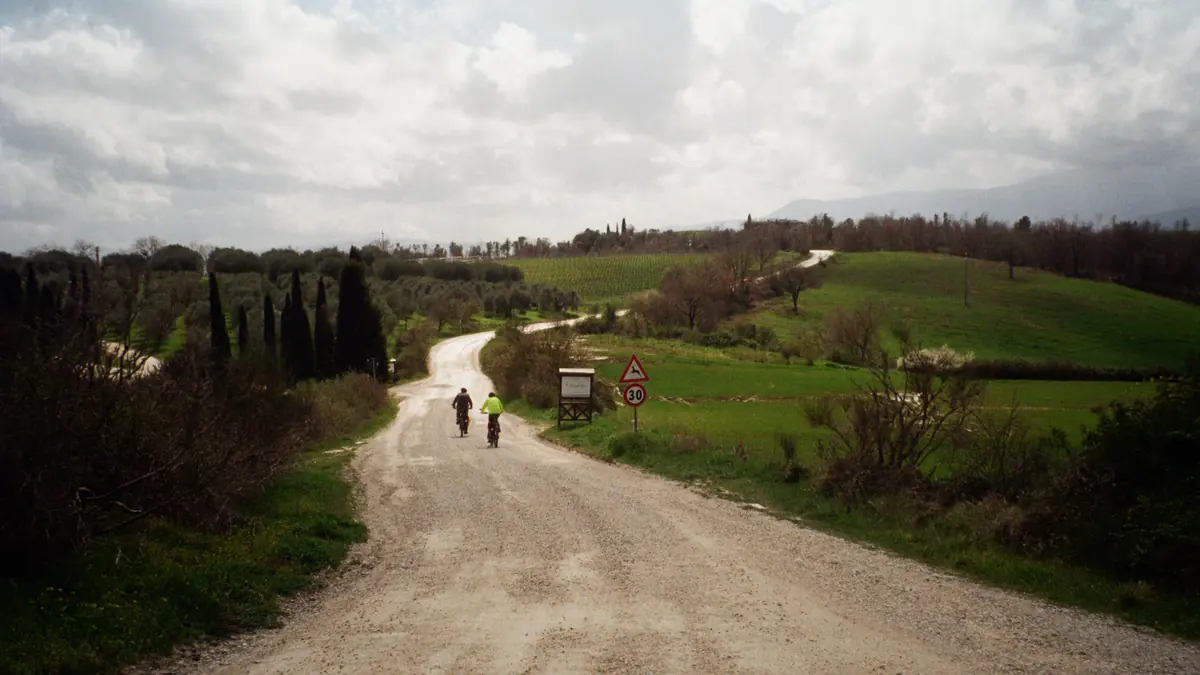
I’d Rather Cycle started life in 2003 as an online cycle community — a not-for-profit forum, events calendar and bike classifieds that spent over a decade encouraging people to get out of the car and onto a bike, and nudging councils and motorists to give cyclists more room.
The original community wound down years ago. In 2026 the site was relaunched with the same conviction and a narrower mission: practical, plain-English guides for everyday cycling in the UK — commuting, the Cycle to Work scheme, choosing and maintaining a bike, and riding through a British winter without misery.
No hype, no jargon. If an article states a number — a tax rate, a scheme rule, a price — it has been checked against the original source first.
The story so far
- 2003 — idrathercycle.org launches as “I’d Rather Cycle — Online cycle community”: a volunteer-run forum, an events calendar and free bike classifieds, at a time when everyday cycling in the UK was a niche pursuit rather than a policy goal.
- 2003–2013 — the forum years. Hundreds of discussion threads on commuting, campaigning and keeping old bikes alive; the site’s recurring themes were already the ones this relaunch is built on — travel to work, bike schemes and bike types.
- 2014–2016 — the community moves to a simpler guide format, with standing pages on keeping fit, travelling to work and the bike purchase schemes of the day, before quietly going offline.
- 2026 — the domain is brought back to life with the same subject and the same audience, rebuilt from scratch as an editorial site: fewer pages, deeper guides, every figure sourced.
We keep the history visible because it is part of what the site is: not a domain picked for its keywords, but a name that has meant “everyday cycling in Britain” for over twenty years.
What you’ll find here
Everything on the site is built around two things: getting more people onto a bike for everyday journeys, and helping the people already riding spend less and worry less.
- The Cycle to Work scheme — how the UK salary-sacrifice scheme works, what you actually save, and what happens at the end of the hire, with a calculator that does the sums for you.
- Choosing a bike — frame sizing, electric bikes, and working out the real running costs before you buy.
- Keeping it running — the handful of repairs and habits that keep a bike on the road, starting with fixing a puncture in fifteen minutes.
- Commuting — riding to work through traffic, weather and a British winter without it becoming a chore.
The site also builds its own tools — the Cycle to Work savings calculator, the commute cost calculator and the cycling calorie calculator — all free, and all available to embed on other sites with attribution.
How the guides are written
Every guide starts from the primary source, not from other blogs. Tax figures come from HMRC, scheme rules from the providers’ own terms, energy costs from the regulated price cap. Where a number can change — a rate, a cap, a threshold — the year it applies to is stated on the page, and the page is updated when the rules move. If something can’t be verified, it doesn’t go in.
In practice that means each article goes through the same three steps before publication:
- Source check — every figure is traced to HMRC guidance, legislation, a provider’s published terms or a regulator’s data, never to another blog’s summary of them.
- Date stamp — anything that can change carries the tax year or date it applies to, so you can tell at a glance whether it is current.
- Plain-English pass — if a sentence needs a second read, it gets rewritten. The test reader is someone deciding on their phone, during a lunch break, whether to sign a hire agreement.
The aim is simply the guide we wished existed when we were working it out ourselves: plain English, no filler, and no advice bent to suit an advertiser.
Who runs the site
I’d Rather Cycle is edited by Raffaele Nocera, an independent web publisher who builds online calculators and plain-English practical guides. The interactive tools on this site — the savings, commute-cost and calorie calculators — are built in-house, and the same sourcing rules described above apply to every page published under his name.
Independent and reader-first
I’d Rather Cycle is an independent site, not affiliated with any Cycle to Work provider, retailer or manufacturer. It carries advertising to help cover its costs, but recommendations are never paid placements — they reflect what the sources actually support.
One honest limitation, stated plainly: this is a small independent publication, not a newsroom. That is exactly why the sourcing rules above exist — a small site earns trust by showing its working, not by claiming authority it doesn’t have. When we get something wrong, we correct the page and note the update date at the top.
Get in touch
Spotted an error, or want a topic covered? Corrections and suggestions are genuinely welcome — the contact page has the details, and you’ll get a reply from a human.