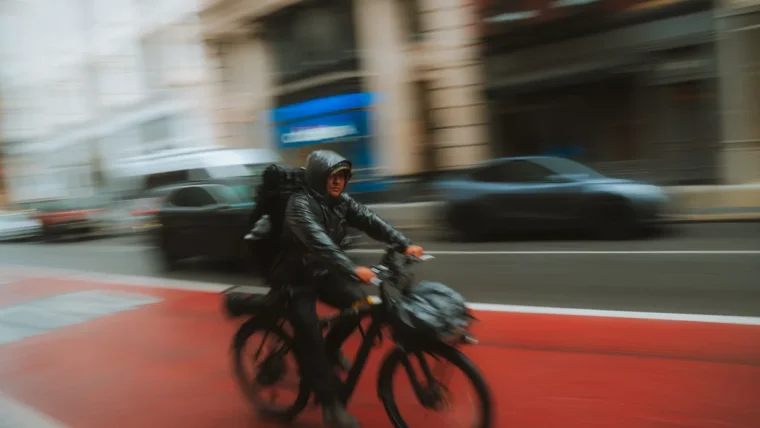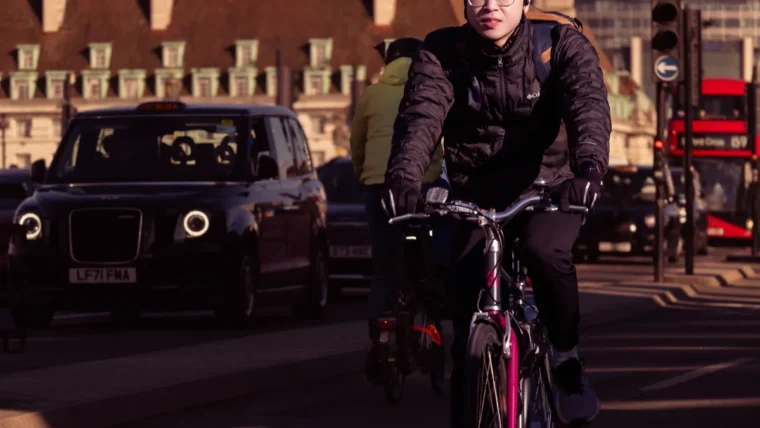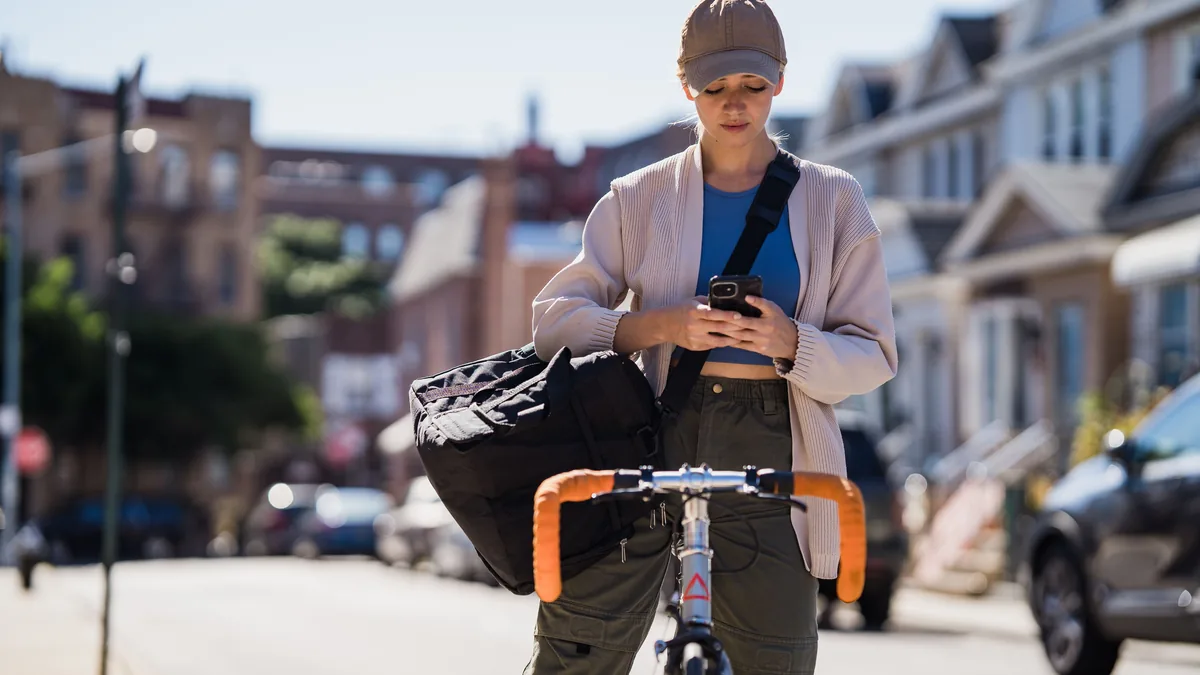
The short answer: it depends on how far you ride and whether your workplace has showers. A 10–15 minute flat commute? You can often arrive in the same clothes you left home in. Longer or hillier? You’ll want a plan for managing sweat — and the good news is there are only two real options, both of which work.
The Two Approaches
1. Ride in cycling kit, change at work
This is the standard for longer commutes (30 minutes or more) or anything involving real hills. You arrive at the bike rack in whatever you’re comfortable sweating in, then change into work clothes.
What you need:
- Moisture-wicking shorts or bib shorts — or convertible trousers that unzip at the knee
- A lightweight jersey or technical top
- A dry bag or pannier to carry your change of clothes
If you carry your kit in a rucksack, that’s where most of the back-sweat comes from. A rear pannier or rack bag spreads the load across the bike instead, which makes a meaningful difference on a warm morning.
2. Ride in your work clothes
Short, flat commute? This is perfectly viable and far more common than cycling media suggests. The Netherlands and Denmark prove it: millions of people cycle daily in their ordinary clothes without ever touching Lycra.
A few things help it work:
- Avoid cotton as a base layer. Cotton absorbs moisture and stays damp against your skin. A merino wool or synthetic layer underneath wicks sweat away and dries quickly.
- Light-coloured clothes show road splash badly in wet conditions. Worth bearing in mind before you set off in white trousers.
- Cycle clips or tucking trouser hems into your socks keeps the material clear of the chain. Just remember to sort yourself out before walking into the office.
- A step-through frame makes riding in a skirt, suit or long coat considerably less awkward.
Fabrics: What Works and What Doesn’t
For a cycling commute, you want fabrics that are breathable (releases heat and moisture), quick-drying (you don’t want to stay damp after arrival), and ideally odour-resistant, since you may not be washing between every single wear.
Merino wool handles all three. It absorbs up to 35% of its own weight in water before it starts to feel damp, and its natural fibre structure resists odour in a way that synthetic fabrics don’t — so you can wear a merino base layer or shirt on consecutive days without the usual consequences. It’s also unusually good at keeping you warm even when wet, which matters in a British climate.
Polyester and nylon blends dry faster and cost considerably less. They’re a reasonable alternative, particularly for warmer months when odour management is the main concern.
The one fabric to avoid as a base layer is cotton. It absorbs sweat, holds it against your skin, and stays wet long after you’ve stopped riding. In cold weather that turns into a chill; in warm weather it’s just uncomfortable.
If you want a crossover option — something presentable enough for the office and technical enough to ride in without changing — look for Merino-blend shirts or technical chinos with stretch. Several brands make these; check current prices before buying.
Visibility: What the Law Actually Says
There’s a lot of confusion about this, so here’s the plain version.
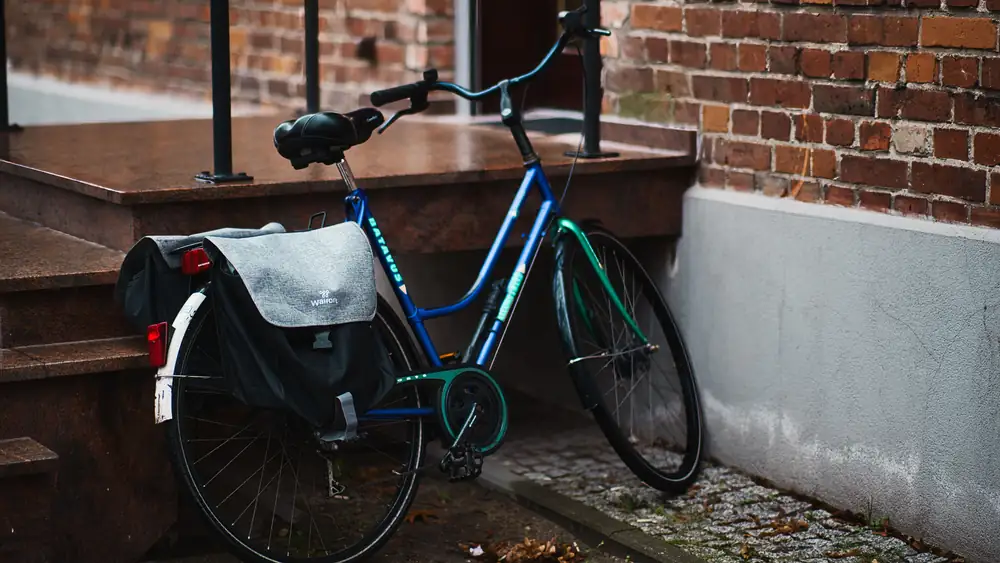
Legally mandatory: Under Highway Code Rule 60, at night your cycle must have a white front light and a red rear light lit. It must also be fitted with a red rear reflector (and amber pedal reflectors if the bike was manufactured after 1 October 1985). This is the law.
Not legally required: High-visibility clothing. The Highway Code recommends fluorescent or reflective gear, but the language used is “should” not “must” — it isn’t a legal requirement. That said, if you’re involved in a collision and visibility was a factor, not wearing hi-viz may affect how liability is assessed in court.
In practice: a bright layer costs little, weighs nothing and is worth having. Fluorescent yellow is most effective in daylight. Reflective strips and bands do the job after dark.
Flashing lights are permitted under UK law. The Highway Code suggests a steady front lamp in areas without street lighting — flashing is fine on lit roads.
For a quick check that your bike’s lights and reflectors are actually working before you rely on them, it’s worth running through a basic maintenance check.
What to Pack
If you’re changing at work, the logistics are simple but worth thinking through once rather than improvising every morning.
- Roll clothes tightly rather than folding flat — it reduces creasing and takes up less space in a bag.
- Shoes are usually the most awkward item. Leaving a pair at the office permanently is the simplest solution; if that’s not possible, a lightweight pair of work shoes rolls or folds into surprisingly little space.
- If your workplace has showers but limited storage, a compact microfibre towel is worth including. They dry in minutes and take up less than a paperback.
If you want to understand the broader cost comparison between cycling and driving to work, the commute cost calculator will show you the annual difference in fuel and running costs.
Seasonal Adjustments
In summer, the priority is staying cool and not overdressing. A lightweight layer you can tie around the bag on the way back is more useful than a jacket you’re overheating in.
In winter, the priorities reverse: a thermal base layer, a windproof mid-layer, and a waterproof outer between you and whatever the sky is doing. Gloves become non-negotiable once temperatures drop, and a thin buff or neck gaiter handles the temperature gap on cold mornings. For a full winter-specific breakdown, our guide to cycling through a British winter covers the seasonal kit in detail.
One constant across all seasons: waterproof your bags. A dry bag or pannier liner means your work clothes arrive dry even when you don’t.
Getting Started
If you’re deciding whether to start cycling to work rather than just sorting out what to wear, the beginner’s guide to cycling to work covers route planning, locking your bike, and how to build the habit from week one.
FAQ
Do I need to wear Lycra to commute by bike?
No. Lycra cycling kit is efficient for longer or faster rides but completely optional for commuting. Many people ride to work daily in their ordinary clothes, particularly on short or flat routes.
Is hi-viz compulsory for cyclists in the UK?
No. The Highway Code recommends high-visibility clothing but it isn’t legally required. The only mandatory equipment is a lit white front light and red rear light at night, plus a rear reflector (Highway Code Rule 60, gov.uk).
What’s the best fabric for cycling to work?
Merino wool or moisture-wicking synthetic fabrics (polyester, nylon blends) both work well. Merino is particularly good for odour control and warmth in damp conditions. Avoid cotton as a base layer — it absorbs sweat and stays wet.
How do I stop my work clothes creasing in a pannier?
Roll clothes tightly rather than folding flat. A compression dry bag helps. For shirts and trousers, rolling around a core — a pair of socks works — reduces creasing further. Leaving a spare shirt at the office is the lowest-effort long-term solution.
Can I cycle to work in a suit?
Yes, particularly for shorter commutes. A step-through frame makes it easier to avoid catching the material. Cycle clips protect trouser hems from the chain. It’s more common in city centres than you might expect.