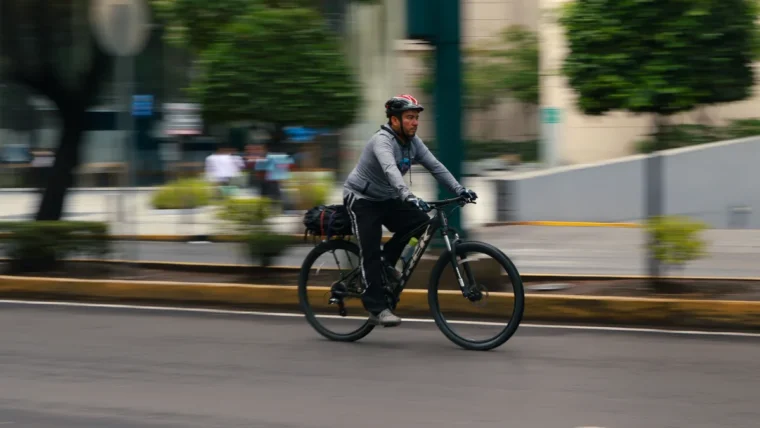
The Cycle to Work scheme covers two things: cycles and cyclists’ safety equipment. That means any bicycle, tricycle or four-wheeled cycle that isn’t a motor vehicle, legal e-bikes included, plus the kit that gets you to work safely: helmet, lights, lock, mudguards, panniers, pump, spares and similar. It doesn’t cover cycle computers, cameras, car racks or turbo trainers, and non-reflective clothing is where providers disagree. You can also use it for accessories alone, without a new bike, if your provider allows it.
The rules below come from the Department for Transport’s Cycle to Work scheme guidance for employers (June 2019), HMRC’s Employment Income Manual EIM21664, and the published rules of Cyclescheme and the Green Commute Initiative. Provider terms change, so check your own scheme’s list before you choose.
What the law actually says
The tax exemption sits in section 244 of the Income Tax (Earnings and Pensions) Act 2003. HMRC’s manual sets two conditions: the cycles or equipment must be available generally to all employees, and you must use them mainly for “qualifying journeys”, which broadly means commuting and travel for work. HMRC adds that you don’t need to keep detailed records; the test is only failed if there’s clear evidence that less than half the use is for those journeys.
The law doesn’t list what counts as safety equipment. The DfT guidance says so plainly: cyclists’ safety equipment “is not defined in legislation”, so it offers a suggested list and makes the employer responsible for making sure what’s supplied complies with the scheme. Where an employer uses a scheme provider, the provider’s own list decides what you can order, which is why providers don’t all accept exactly the same items.
Which bikes qualify
The guidance uses the Road Traffic Act 1988 definition of a cycle: “a bicycle, a tricycle, or a cycle having four or more wheels, not being in any case a motor vehicle”. Within that, you have a lot of freedom:
- Any type of pedal bike: hybrid, road, gravel, mountain, folding or cargo.
- E-bikes, as long as they are legal electrically assisted pedal cycles. GOV.UK sets the limits: pedals that can propel the bike, a continuous rated power of no more than 250 watts, and no motor assistance above 15.5mph. An e-bike outside these limits is treated as a motor vehicle and falls outside the scheme.
- Adapted and non-standard cycles. The DfT guidance names tricycles, hand-cycles and cargo cycles, with or without electric assist, and adaptations for disability or mobility needs.
- More than one bike, if both are for commuting. The DfT’s own example is a bike at each end of a train journey; Cyclescheme mentions a hybrid plus a folder, or a summer and a winter bike.
What doesn’t qualify: bikes for anyone else. Cyclescheme states that the bike must be for you, not your spouse or children, and it excludes children’s bikes and micro-scooters outright.
Second-hand bikes depend on the provider. The Green Commute Initiative accepts them if the retailer gives at least a three-month warranty. If you’re considering that route, our guide to buying a used bike covers what to check.
The safety equipment list
Annex A of the DfT guidance is the nearest thing to an official list. It says safety equipment “could include”:
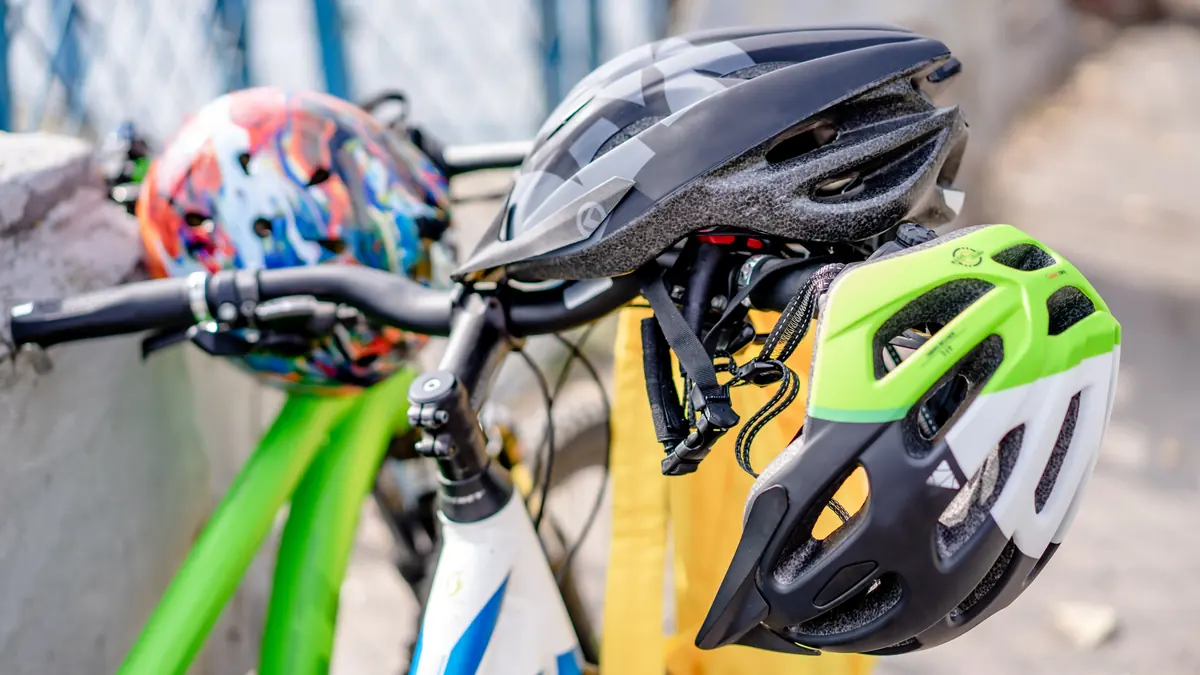
- Cycle helmets that conform to the European standard BS EN 1078
- Bells and bulb horns
- Lights, including dynamo packs
- Mirrors and mudguards
- Cycle clips and dress guards
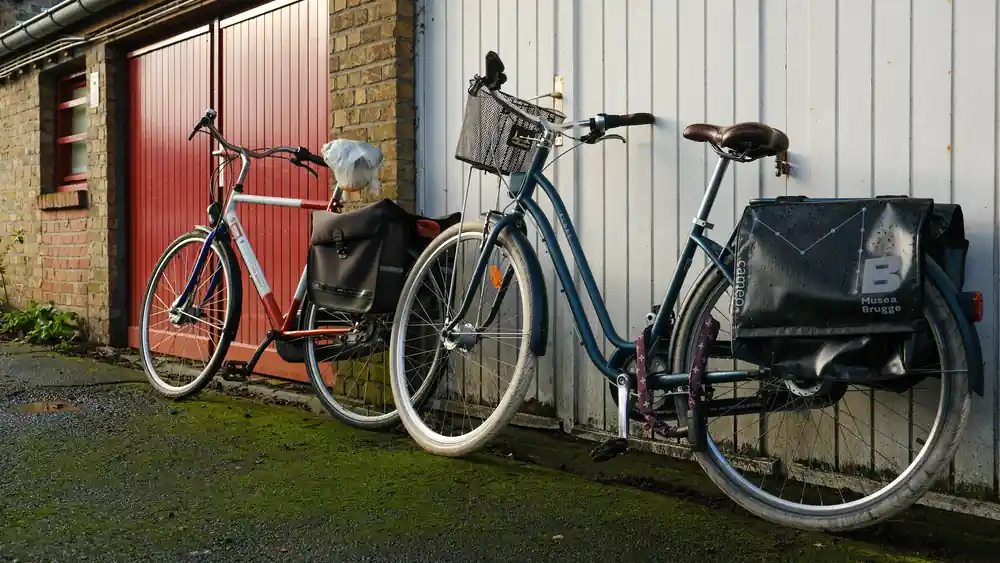
- Panniers, luggage carriers and straps
- Child safety seats
- Locks and chains
- Pumps, puncture repair kits, cycle tool kits and tyre sealant
- Replacement parts to keep a cycle roadworthy
- Adaptations for disability or mobility issues
- Reflective clothing or reflective cycle equipment, such as spoke reflectors
The wording is “could include”, not “is limited to”, so providers treat it as a guide. The common thread is equipment that helps you ride to work and arrive safely, with the bike secured once you’re there. If you’re choosing the core items, see our guides to commuting helmets, bike lights and mudguards.
What’s usually excluded
HMRC’s manual gives three examples of things that don’t count as safety equipment: cycle computers, non-reflective waterproof clothing, and cycle training. The providers’ own exclusion lists go further. Cyclescheme’s published list rules out:
- GPS ride trackers and navigation devices
- Cameras
- Power meters
- Turbo trainers and rollers
- Bike racks for cars
- Headphones
- Gift cards
- Food and nutrition products
- Motorised vehicles
The Green Commute Initiative likewise excludes bike computers, with or without GPS. The logic is consistent across all of them: if an item is about training, recording or entertainment rather than getting to work safely, it’s out.
Clothing: where providers differ
This is the grey area. HMRC’s example list and the DfT’s Annex A both include reflective clothing, and HMRC names non-reflective waterproof clothing as something that doesn’t count. The Green Commute Initiative follows that line: reflective clothing is in, and waterproof clothing that isn’t reflective is out.
Cyclescheme takes a broader view. Its “what can I get” answer includes cycle-specific clothing, and its rules page lists clothing and shoes among the essential accessories for commuting. So the same jacket might be accepted by one provider and refused by another.
If clothing matters to you, don’t assume. Check your provider’s list or ask the retailer before you build your package, and pick kit with reflective detailing if you want the safest bet across schemes. Our waterproof cycling jacket guide explains what to look for in the jacket itself.
Can you use the scheme for accessories only?
Often, yes. If you already have a bike, a package of safety equipment on its own goes through the same salary sacrifice process. The Green Commute Initiative says a package can be “just a bike, a bike plus accessories or just accessories”, with a £100 minimum order value. Other providers set their own minimums and conditions, so check yours.
E-bike conversion kits are another option for existing bikes. Cyclescheme lists them as eligible, and the Green Commute Initiative requires the kit to include the battery and charger rather than selling them separately. The finished bike still has to meet the 250-watt and 15.5mph limits.
Servicing is less clear-cut. The Green Commute Initiative includes servicing, tools and spares in its list, while the DfT guidance mentions replacement parts but not labour. Check with your provider if you want a service included.
Is there a spending limit?
Not for tax purposes. The DfT guidance says there is no limit on the value of the cycle and safety equipment an employer can provide. The £1,000 cap you may have heard about only applies where an employer runs the scheme itself under a consumer credit exemption rather than through a provider authorised by the Financial Conduct Authority. Schemes run through an FCA-authorised provider can go above it, although your employer can still set its own cap. We cover this in detail in cycle to work over £1,000.
One rule catches people out: you can’t add your own money to a package. The DfT guidance says employees are not allowed to use their own funds towards the goods being hired. If the bike you want costs more than your approved amount, you’d either need a higher certificate (if your employer allows it) or a cheaper bike. You can still buy extra kit separately with your own money, outside the scheme.
Checklist before you pick your package
- Confirm your employer’s limit and which provider it uses.
- Check the provider’s list of excluded items, especially for clothing, electronics and servicing.
- If you want an e-bike, confirm it meets the 250-watt and 15.5mph limits.
- If you’re buying second-hand, check whether your provider allows it and on what terms.
- Put everything you need on one certificate, since you can’t top it up with your own cash.
For the question of who can join the scheme in the first place, see our guide to cycle to work eligibility and limits. For the full picture, including how much you could save, start with our Cycle to Work scheme guide.
Frequently asked questions
Can I get a helmet and lights on the Cycle to Work scheme?
Yes. Helmets meeting BS EN 1078 and lights, including dynamo packs, are both on the DfT’s suggested list of safety equipment, and both Cyclescheme and the Green Commute Initiative include them.
Can I get a bike computer or GPS unit?
No. HMRC’s manual says cycle computers don’t count as safety equipment, and both Cyclescheme and the Green Commute Initiative exclude GPS and bike computers.
Can I get cycling clothing?
Reflective clothing is on the DfT and HMRC lists. Other cycling clothing depends on your provider: Cyclescheme includes cycle-specific clothing and shoes, while the Green Commute Initiative excludes non-reflective waterproofs. Check before you order.
Can I get a bike for my child?
No. The equipment has to be for the employee’s own use, mainly for commuting, and Cyclescheme lists children’s bikes as excluded. A child safety seat for your own bike does qualify.
Can I pay the difference if the bike costs more than my certificate?
No. The DfT guidance says employees can’t put their own funds towards the goods being hired. You can buy extra items separately, outside the scheme, but not part-fund the package.
This guide is general information based on DfT, HMRC and provider sources, not tax advice. Your employer and scheme provider have the final say on what goes on your certificate.