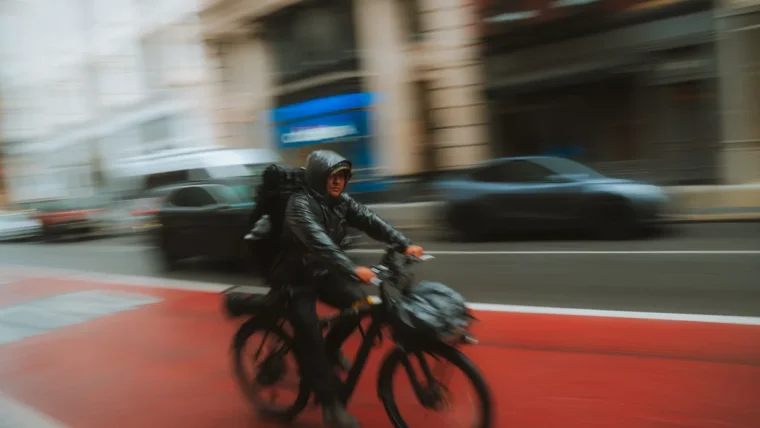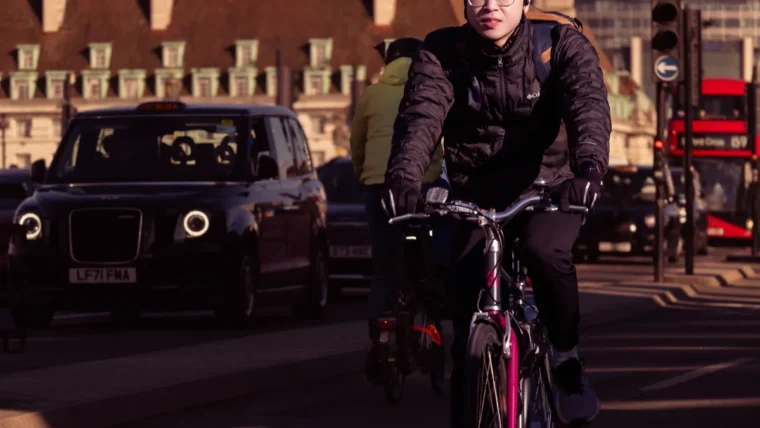
British winter cycling is not about heroism — it is about three problems: dark, wet, and grit. Solve them in that order and riding in January is genuinely fine. Mostly.
Dark: lights and the law
UK law (the Road Vehicles Lighting Regulations) requires, between sunset and sunrise: a white front light, a red rear light, a red rear reflector and amber pedal reflectors. That is the floor, not the target. For unlit roads you want a front light that shows you the surface, not just makes you visible — and a second, cheap rear light as backup, because batteries die on the coldest night of the year, never in your kitchen.
Two habits beat any amount of kit: charge lights at your desk, not “later”; and angle the front light slightly down so it lights the road instead of blinding oncoming riders.
Beyond lights, think about where you are visible. Drivers at junctions look for car-shaped things at car speed; position yourself out of the gutter, where you are in the line of sight and away from the drain covers and debris that live at the road edge. A steady rear light plus a flashing one covers both the “seen from distance” and “judged for distance” problems — flashing alone makes your speed hard to read.
Wet: mudguards before jackets
The counterintuitive truth of UK commuting: most of the water that soaks you comes off your own wheels, not the sky. Full-length mudguards do more for winter comfort than any waterproof jacket. After that:
- Layers, not bulk — a base layer plus a windproof shell beats one heavy coat; you generate heat within ten minutes
- Extremities first — winter gloves and overshoes are where the money is best spent; a cold torso is unpleasant, cold fingers are dangerous
- Spare socks at work — the cheapest morale insurance in cycling
Braking changes in the wet, and it changes more with rim brakes than discs: the first revolution of the wheel wipes the water off the rim before the pads properly bite. Brake earlier, brake gentler, and treat painted lines, manhole covers and wet leaves as ice-adjacent — cross them upright, without braking or turning.
Grit: what the salt does to your bike
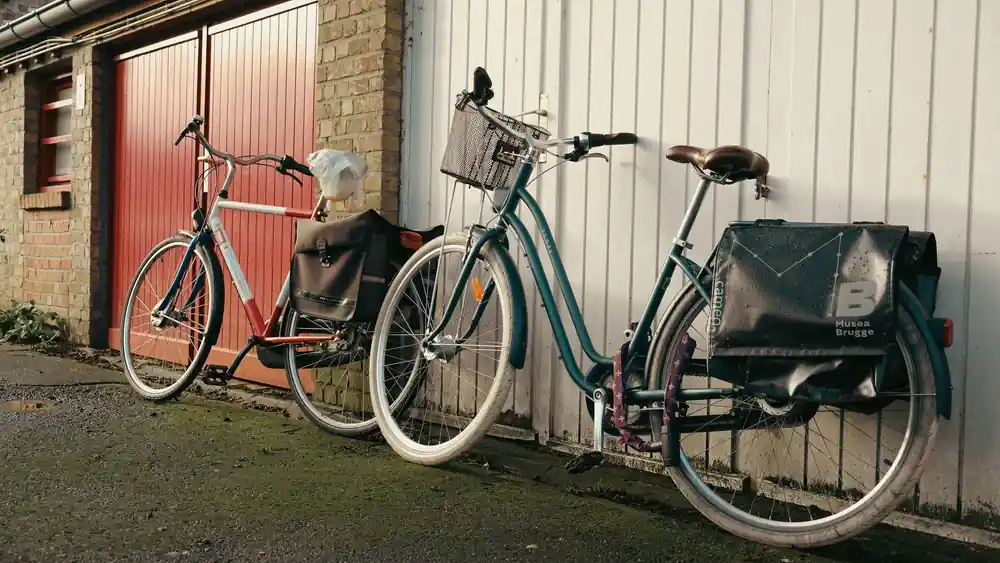
Road salt is brilliant for traction and brutal on drivetrains. The winter survival routine takes ten minutes a week: rinse the frame and drivetrain after salty rides (a watering can works fine), re-lube the chain with wet lube, and wipe the rims or rotors. A neglected winter chain can wear out in a couple of months; a rinsed and lubed one lasts the season.
Many year-round commuters run a cheaper “winter bike” and let it take the salt damage. If that sounds extravagant, remember the Cycle to Work scheme exists, and a second-hand workhorse costs less than a single month of train fares in most UK cities. If you go that route, our used bike guide covers what to check before handing over cash.
Ice: the one real enemy
Rain is manageable; ice is not negotiable. Untreated cycle paths freeze before roads do. On mornings after a clear, cold night, take the gritted road, ride slower with weight on the saddle — or take the bus without guilt. The goal is riding in March, not proving something in January.
Snow, oddly, is easier than ice: fresh snow gives more grip than the polished, refrozen slush that follows a day later. If you ride snowy days regularly, drop your tyre pressure towards the bottom of the sidewall range for a bigger contact patch, stay off the front brake, and pick the route with the least traffic rather than the shortest one.
What is worth buying — and what is not
- Worth it: full-length mudguards, a second rear light, winter gloves, overshoes, wet-weather chain lube, tyres with puncture protection. Every one of these earns its keep by December.
- Situational: studded winter tyres — transformative if your route includes untreated paths that freeze, unnecessary if you ride gritted roads; heated grips and bar mitts — luxury until the first sub-zero week, essential after it.
- Skip: “waterproof” trainers (overshoes over normal shoes work better), heavy insulated jackets you will overheat in, and anything marketed as making winter riding effortless. It is not effortless; it is just fine.
Puncture season peaks in winter too — wet roads carry glass into your tyres. Learn the 15-minute puncture fix before you need it in the dark, and build the weekly maintenance habit that keeps salt from eating the bike.