A used bike can be the best value in cycling — or an expensive mistake with someone else’s stolen frame. The difference is twenty minutes of checks before you hand over any money. This guide walks through how to make sure the bike is legitimate, sound and the right size, so you buy with confidence rather than hope.
First: make sure it is not stolen
Bike theft is rife, and buying a stolen bike means losing both the bike and your money if it is traced. Before you travel to see anything, and again in person:
- Check the frame number on BikeRegister. Every bike has a serial number, usually stamped under the bottom bracket where the cranks meet the frame. BikeRegister is the UK’s only police-approved national cycle database, and its BikeChecker tool is free: enter the serial number to see if the bike is flagged as stolen.
- Verify the number on the actual bike. A known scam is to send a clean serial number from a different bike to pass the check, then turn up with a stolen one. Always read the number off the frame in front of you and check it there.
- Be wary of red flags: a price too good to be true, a seller who will not meet at a home address, no original receipt, or filed-off or painted-over serial numbers.
Check the frame — the one thing you cannot fix
Components wear out and can be replaced; a cracked frame is the bike. Look closely, especially around the welds, the head tube, the bottom bracket and the seat stays:
- Aluminium and steel: look for cracks, dents and rust, particularly at the welds.
- Carbon: look for cracks, and crucially for crash damage — press around suspect areas and listen for a dull, cracked sound rather than a solid tap. Carbon damage can be invisible and dangerous, so be cautious buying a crashed carbon frame.
If the frame is sound, everything else is negotiable.
Check the moving parts
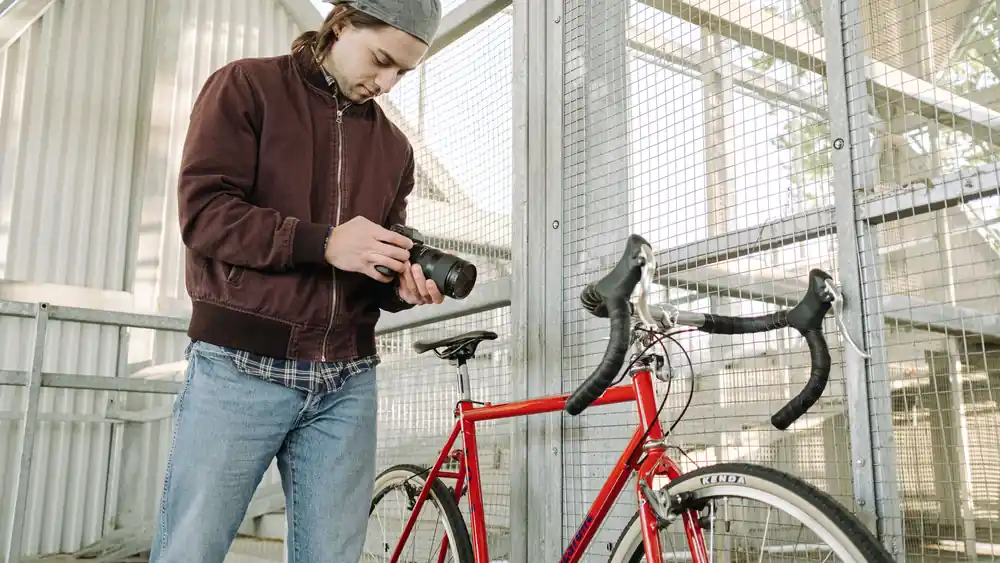
- Drivetrain wear. Look at the teeth on the chainrings and cassette — sharp, hooked teeth mean a worn, neglected drivetrain that will need replacing soon. A worn chain is cheap; a worn chain, cassette and chainrings together add up.
- Wheels. Spin each one and watch the gap at the brake or frame: a wobble means the wheel is out of true. Squeeze pairs of spokes for any that are loose, and check the rims for dents.
- Brakes. Squeeze the levers — firm and effective, not spongy. Check pad wear.
- Bearings. Rock the wheels side to side for hub play, hold the front brake and rock the bike for headset knock, and wiggle the cranks for bottom-bracket play. A little knocking is fixable but worth using to negotiate.
- Test ride it. If you possibly can, ride it: listen for creaks, run through all the gears, and brake hard.
Make sure it fits you
A cheap bike that is the wrong size is no bargain — you will not enjoy riding it and you will not keep it. Know your frame size before you go: our bike size guide and calculator turns your height (and inside leg for road bikes) into a size to look for. Stand over the bike to check clearance, and be honest if it is a size out.
Where to buy and what to pay
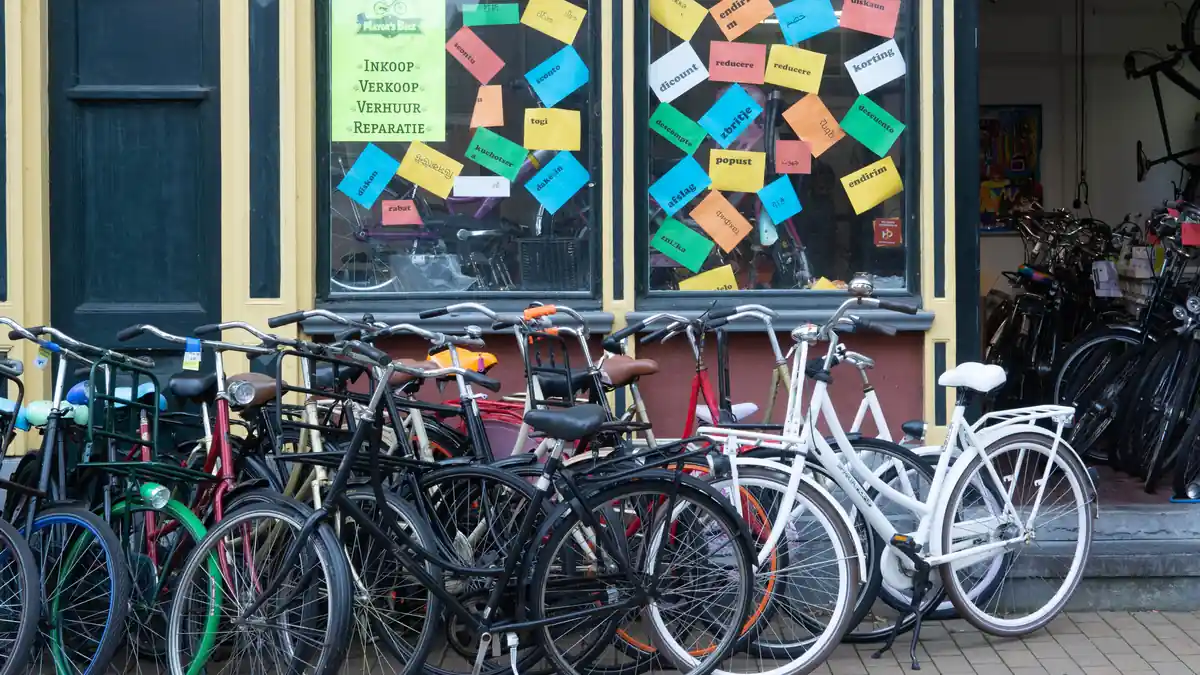
Private sales are usually cheapest but carry the most risk, so the checks above matter most there. Reputable second-hand specialists and bike shops cost more but often include a service and some comeback if something is wrong. Whatever the channel, research what the model sold for new and what similar used examples go for, so you know whether the asking price is fair before you negotiate from the faults you found.
Frequently asked questions
How do I check if a used bike is stolen?
Find the serial number stamped on the frame, usually under the bottom bracket, and enter it into BikeRegister’s free BikeChecker tool — the UK’s police-approved database. Always read the number off the actual bike, as scammers may send a clean number from a different frame.
What should I check before buying a second-hand bike?
In order: that it is not stolen, that the frame has no cracks or serious damage, then drivetrain wear, wheels running true, working brakes, and no play in the bearings. A test ride catches most remaining problems.
Is it safe to buy a used carbon bike?
It can be, but carbon damage from crashes can be hidden and is dangerous, so inspect carefully and be cautious about a frame with any crash history or unexplained marks. If in doubt, favour a known seller or have it inspected.
Should I buy used or use the Cycle to Work scheme?
Used is cheapest outright; the Cycle to Work scheme spreads the cost of a new bike and saves tax but applies to new purchases through participating retailers. If you want new with a saving, use the scheme; if you want the lowest price and can do the checks, buy used.
Buy with your eyes open
A used bike rewards the buyer who checks. Confirm it is not stolen, make sure the frame is sound, look hard at the drivetrain and wheels, and get the size right. Do that and you will land a genuine bargain instead of someone else’s problem.