No lock is unbreakable, and anyone who tells you otherwise is selling something. What a good lock and good habits do is make your bike a slower, riskier, more annoying target than the one next to it — and most thieves move on to the easier option. This guide covers how to lock a bike properly in the UK, what kind of lock to buy, and what to do so you can recover it if the worst happens.
Buy a lock rated by Sold Secure
Ignore the marketing and look for one independent mark: Sold Secure, the UK’s recognised lock-testing scheme, whose tests are updated with input from police and insurers. Locks are rated, from most to least secure, Diamond, Gold, Silver and Bronze. A Diamond-rated lock must resist a sustained attack including time against an angle grinder; Gold offers high resistance against a determined thief; Silver is a cost-security compromise; Bronze only deters the opportunist. For a bike left in a city, aim for Gold or Diamond. Many insurers and the better cycle-to-work packages expect a Sold Secure lock too, so it is worth the spend.
How to lock your bike properly
The lock only works if you use it well:
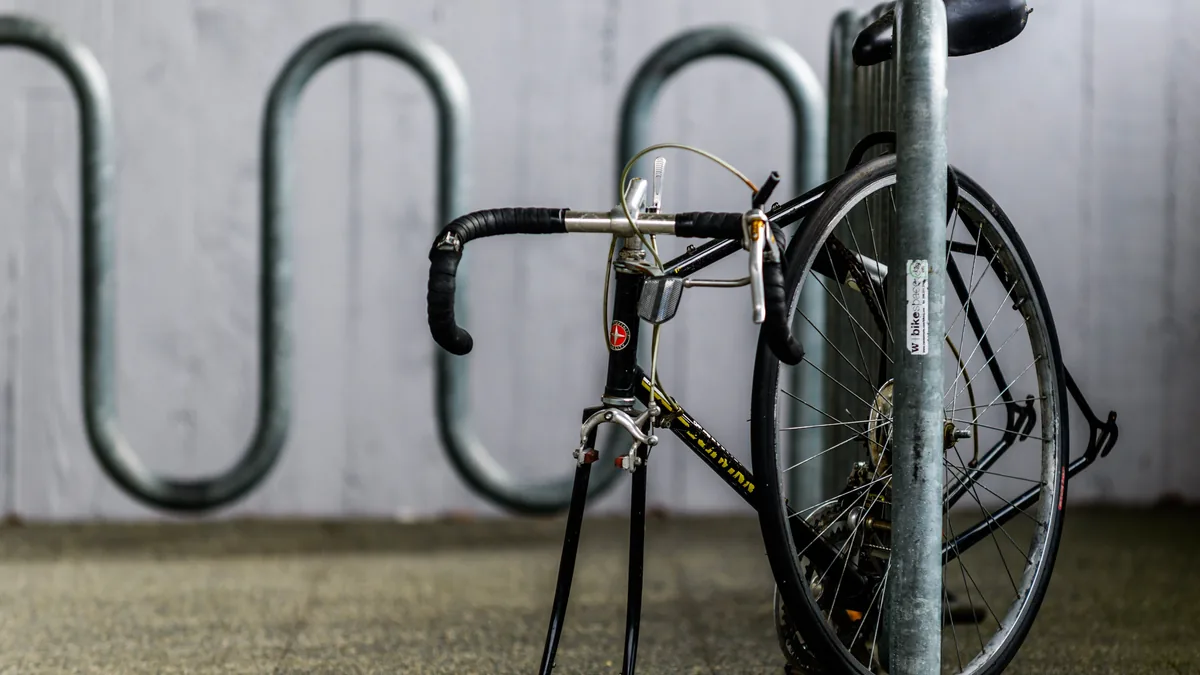
- Lock to something immovable. A proper cycle stand or solid railing — not a wheelie wooden fence, a sapling, or a post the bike can be lifted over the top of.
- Lock the frame, not just a wheel. Pass the lock through the frame and the rear wheel and around the anchor. A lock through the front wheel alone leaves you coming back to a wheel and a missing bike.
- Fill the gap. A tight lock with little open space inside is far harder to attack with leverage than a big U-lock full of air.
- Use two locks if the bike is worth it. A D-lock plus a separate chain or cable forces a thief to carry and use two different tools, and secures both wheels. Two different lock types is the most effective deterrent.
- Position it off the ground and with the keyhole facing down, making tools harder to apply.
- Take the lights and anything quick-release with you.
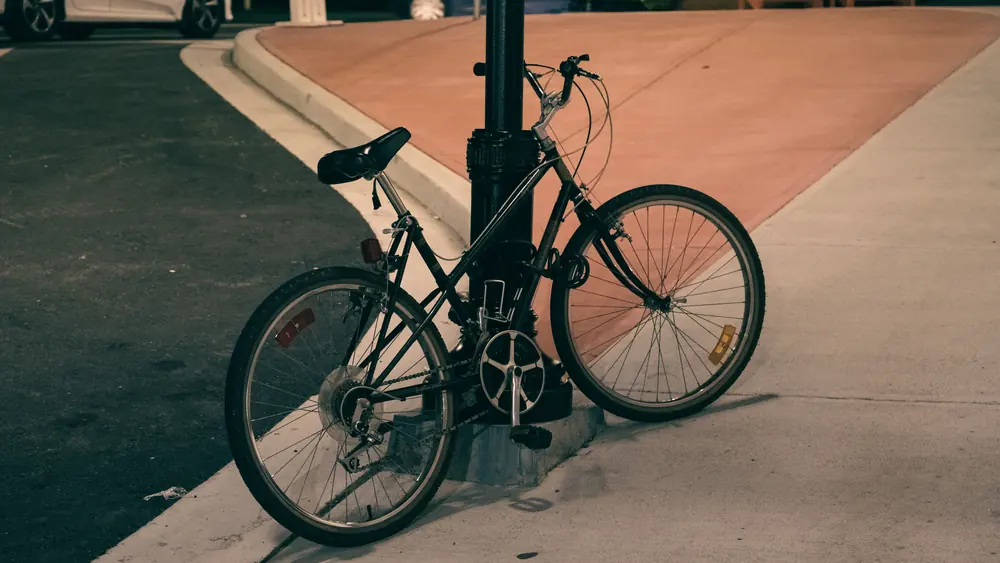
Where you lock it matters
A busy, overlooked, well-lit spot is safer than a quiet corner where a thief can work undisturbed. Covered cycle parking, a spot near CCTV, or somewhere with passing footfall all help. If you keep the bike at home, lock it even in a shed or garage, ideally to a ground or wall anchor — a surprising number of bikes are stolen from outbuildings.
Register it so you can get it back
Register your bike on BikeRegister, the UK’s only police-approved national cycle database, used by every UK police force. Record the frame number, take photos, and add a tamper-resistant marking if you can. If your bike is ever stolen, report it to the police with the frame number and mark it as stolen on BikeRegister — recovered bikes are routinely checked against it, and a registered, marked bike is both more recoverable and less attractive to steal. The same database is what buyers use to avoid stolen bikes, as we cover in our guide to buying used.
Frequently asked questions
What is the best type of bike lock?
A Sold Secure Gold or Diamond rated lock — usually a hardened D-lock, ideally paired with a second lock such as a chain for the wheels. The independent Sold Secure rating matters more than the brand’s own claims.
Should I use one lock or two?
Two if the bike is valuable. Two different lock types force a thief to carry and use two sets of tools and let you secure both wheels and the frame, which is a strong deterrent.
How do I stop my bike being stolen from home?
Lock it even indoors or in a shed, ideally to a ground or wall anchor, and register it on BikeRegister. Many thefts are from garages and sheds, so an unlocked bike behind a flimsy door is an easy target.
What should I do if my bike is stolen?
Report it to the police with the frame number and any photos, and mark it as stolen on BikeRegister. Registered, marked bikes are more likely to be recovered and returned.
The bottom line
Buy a Sold Secure Gold or Diamond lock, lock the frame and a wheel to something solid in a visible spot, and register the bike on BikeRegister. You will not stop a determined professional with unlimited time, but you will send almost every thief to an easier target. For winter, our cold-weather guide covers keeping the bike going through the worst of it.