How you store your bike at home matters more than most commuters think. A bike left propped against the wall is a tripping hazard, a potential scuff to the paintwork, and — if it’s near a front door — an invitation to a passing opportunist. The good news: even a small flat or terrace has workable options.
Wall-mounted hooks and racks
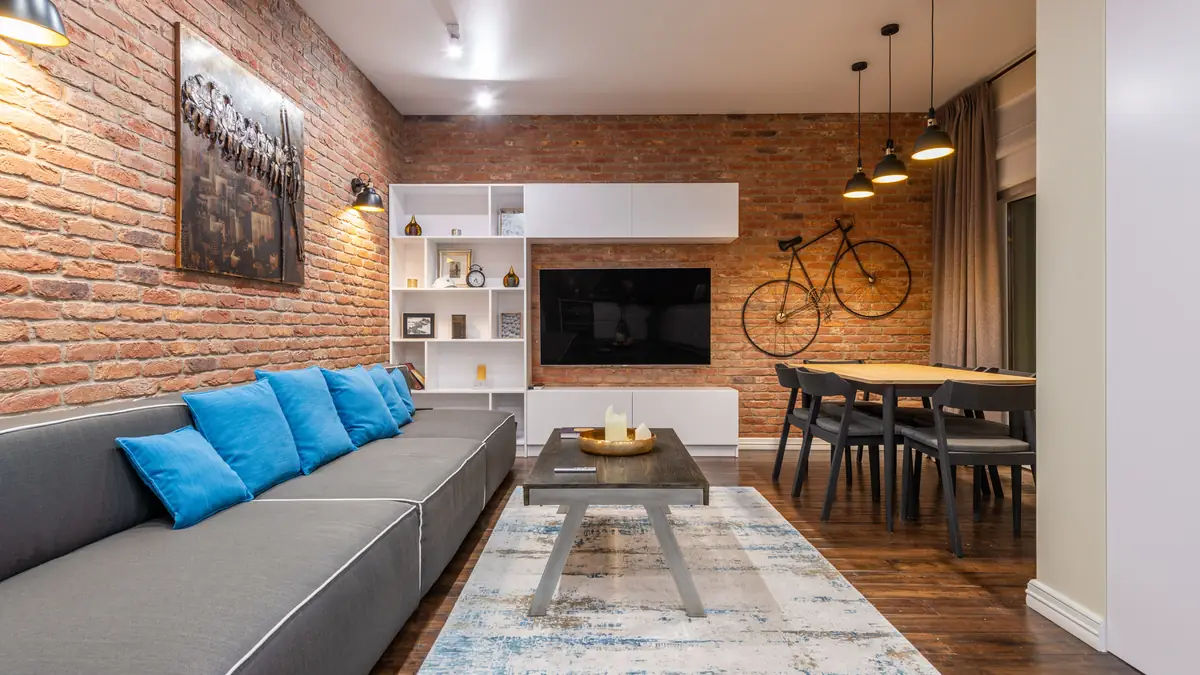
Wall mounts are the most space-efficient option for small homes. At the simplest end, a single hook screwed into a stud holds the bike vertically — front wheel off the floor — and takes up almost no wall footprint. Hinged mounts fold flush with the wall when the bike is removed, which makes a real difference in a narrow hallway.
Look for models that contact the tyre or top tube rather than a bare metal hook pressing against the frame — it is gentler on the paintwork over time. Prices vary; check current prices from retailers such as Halfords, Tredz, or Wiggle before buying.
Best for: flats, hallways, and anywhere floor space is tight.
Floor stands
If you rent or do not want to drill, a freestanding floor stand is a practical alternative. Most grip the front wheel in a cradle, keeping the bike upright without touching the walls. Some models hold two bikes side by side, which is useful if you and a partner both commute.
The trade-off: a floor stand takes up roughly the full length of the bike. In a studio flat or a crowded shared hallway, a wall mount or ceiling hoist will free up more room.
Best for: garages, spare rooms, or anywhere drilling is not an option.
Ceiling hoists and pulley systems
A pulley hoist lifts the bike clear of the floor entirely, which is ideal for a garage or shed with headroom to spare. You hook the bike by the wheels or frame, pull on a rope, and lock it off at height. The bike becomes almost invisible when stored this way.
This works only if the ceiling is structurally sound enough to take the load — a timber-framed garage ceiling generally is, but check before fitting. Most hoist instructions specify fixing with lag bolts into joists, not plasterboard anchors.
Best for: garages or sheds with 2.5 m or more of headroom.
Bike sheds and outdoor storage
If you have a garden or yard — even a small one — an outdoor bike shed is often the most convenient option for a commuter who needs quick daily access. Modern bike sheds are made from steel or treated timber, and the better ones include a floor anchor point for securing the bike inside.
A locked shed alone is not enough security. Without a ground anchor and a secondary lock, a bike can be wheeled out in seconds once the shed door is forced. Look for models with:
- A built-in floor anchor or steel loop for a chain or D-lock
- Ventilation to prevent condensation and corrosion on the frame
- A weather-treated roof rated for UK rainfall
Steel “bike lockers” tend to be more resistant to attack than timber sheds, but both work well when combined with a ground-anchored secondary lock. Check current prices; costs vary considerably by size and build quality.
Best for: houses with a garden or rear yard.
No space at home? On-street bikehangars
If you live in a flat without a communal cycle store — or simply have no usable indoor or outdoor space — an on-street bikehangar may be your best option.
Cyclehoop’s Bikehangar is a lockable on-street cabinet that fits within a single parking bay and holds up to six bikes. It is managed by local councils; spaces in London typically cost around £72 a year, which covers maintenance and management of the unit (source: Cyclehoop). Access is by key. The latest Bikehangar 4.0 is the only cycle hangar on the market to hold Sold Secure Diamond accreditation — the highest UK security rating for cycle products (source: Cyclehoop).
Demand far outstrips supply in many areas: over 12,000 Bikehangar spaces are installed across London, but the waiting list had exceeded 35,000 at the time of writing (source: Cyclehoop). Schemes are expanding — Sheffield added new units in 2025, and councils in Scotland have also installed Cyclehoop products.
To apply, contact your local council directly or check the Cyclehoop rentals page to see whether your area operates a waiting list.
Security at home
Even inside a hallway or shed, a lock adds a meaningful deterrent. A ground-level anchor — bolted to the floor or wall — plus a quality D-lock or chain prevents a thief who forces their way into an outbuilding from simply wheeling the bike out. If the front door is your only barrier, that is one lock too few.
For more on lock types and ratings, see our guide to how to lock your bike and beat thieves.
Which option suits your situation?
| Situation | Best option |
|---|---|
| Flat, no outdoor space | Wall-mounted hook or floor stand; apply for a bikehangar |
| House with narrow hallway | Hinged wall mount (folds flat when not in use) |
| Garage or large shed | Ceiling hoist or floor stand; add a ground anchor |
| Garden or rear yard | Bike shed with ground anchor and secondary lock |
| No indoor or outdoor space at all | On-street bikehangar (contact local council) |
Before buying, measure the space you actually have. Most bike sheds need at least 1.8 m × 0.7 m of clear floor area, and wall mounts need solid masonry or a timber stud to take the load — plasterboard alone will not hold the weight of a bike.
Just getting started with cycling to work? Our beginner’s guide to cycling to work covers everything from choosing a bike to planning your first route. If you are still deciding which type of bike to buy, our commuter bike guide explains what to look for.
Frequently asked questions
Do I need to lock my bike inside my home?
Inside a locked flat or house, a secondary lock is optional — but in a garage, shed, or shared hallway, it adds meaningful protection if an intruder gains access. A D-lock through the frame and a ground anchor makes quick removal very difficult.
What is a Sold Secure Diamond rating for bike storage?
Sold Secure is a UK testing body that grades security products: Bronze, Silver, Gold, and Diamond, in ascending order. Diamond is the highest level. The Cyclehoop Bikehangar 4.0 holds Sold Secure Diamond accreditation — the only cycle hangar currently to do so, according to Cyclehoop.
Can I put a bike shed in a rented garden?
Most tenancy agreements require landlord permission for permanent external structures. Freestanding sheds that do not need ground fixings are more likely to be permitted, but check your tenancy agreement or ask your landlord before installing anything.
How much space do I need for a floor stand?
Most single-bike floor stands need roughly 1.8 m × 0.5 m of clear floor. Some models that hold the wheel at an angle are narrower. Measure the bike — including the handlebars — before buying.
Are bike hoists safe for all bike types?
Most ceiling hoists are rated to around 20–25 kg. Check the product specification — heavier e-bikes or cargo bikes may exceed the rated load. Always fix to a structural joist, not just the ceiling board.