E-bikes are the fastest-growing corner of UK cycling, and the most misunderstood. This guide covers what is actually legal, what the jargon means, and how to buy one without overpaying — including how to knock 28–47% off the price through the Cycle to Work scheme.
The law first: what counts as an e-bike in the UK
A road-legal e-bike — officially an EAPC (electrically assisted pedal cycle) — must meet all of these conditions:
- Motor with a maximum continuous rated power of 250W
- Assistance cuts out at 15.5 mph (25 km/h) — you can pedal faster, but the motor stops helping
- The motor assists while you pedal (a full-speed throttle is not allowed; a walk-assist function up to 6 km/h is)
- Rider aged 14 or over
Meet those rules and the bike is treated exactly like a pedal cycle: no licence, no registration, no road tax, no compulsory insurance, and you can use cycle lanes as normal. The government reviewed raising the power limit to 500W and decided in January 2025 to leave the rules unchanged. Anything more powerful or faster is legally a moped — different world, different rules.
This is also the reason to be wary of imported “e-bikes” sold online with throttles or switchable speed limits: if it does not meet the EAPC rules, it is not legal to ride on UK roads or cycle paths as a bicycle, and insurers treat it accordingly.
What the jargon means
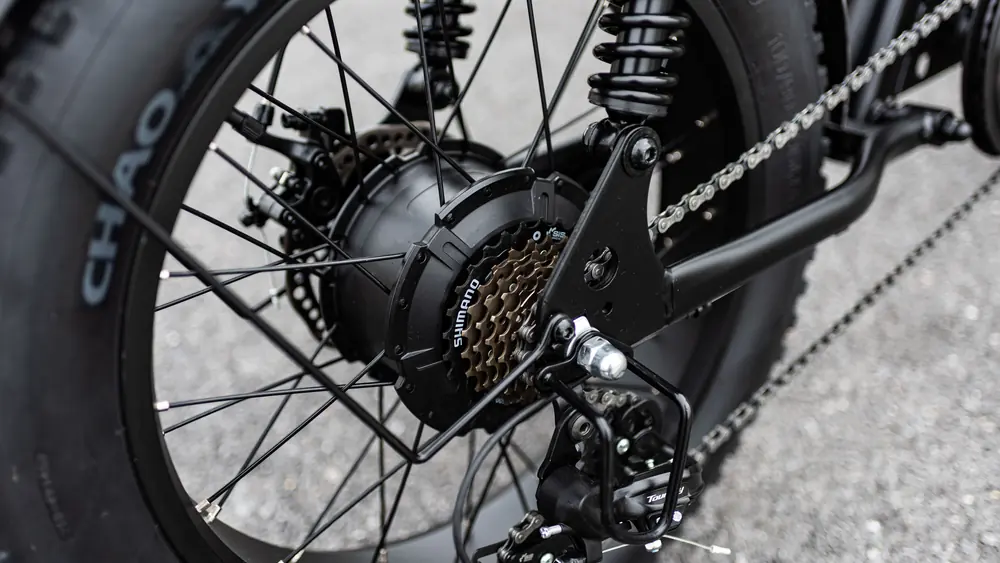
- Hub motor (front or rear wheel): cheaper, fine for flat commutes
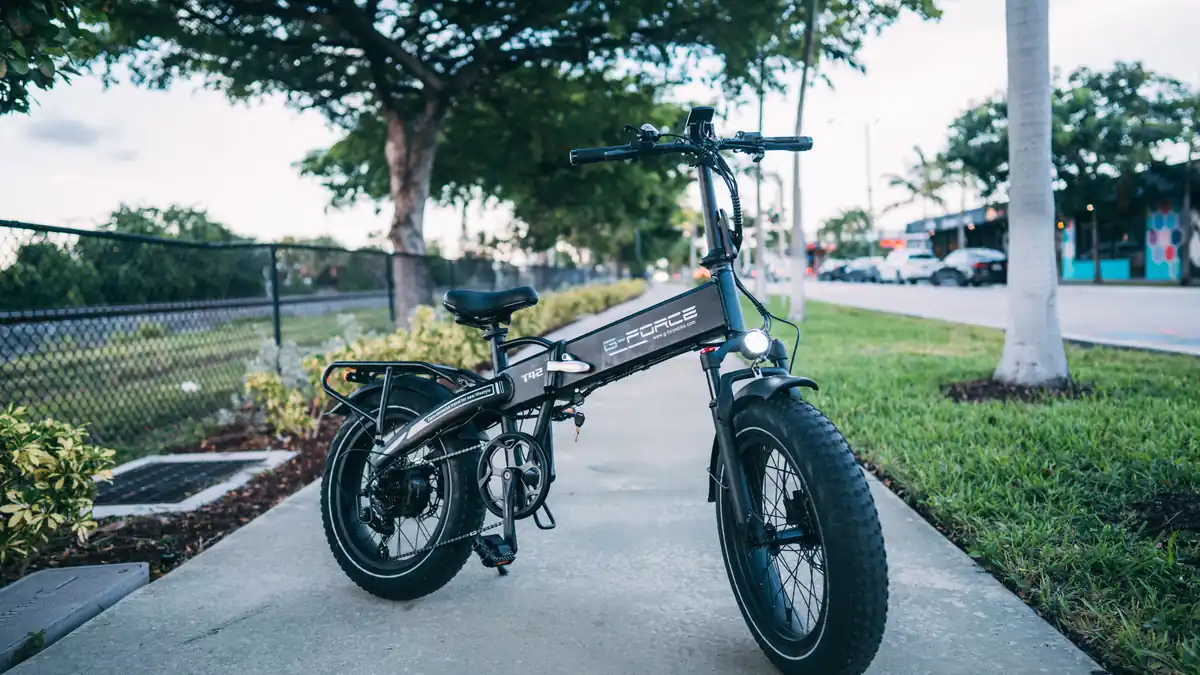
- Mid-drive motor (at the cranks): better balance and hill climbing, found on most quality bikes
- Battery Wh (watt-hours): the fuel tank. 400–500 Wh is the sweet spot for commuting; range claims assume ideal conditions, so expect less in a British headwind
- Torque (Nm): how strongly the motor helps. 50–60 Nm is plenty for town; 70+ matters if you carry cargo or live somewhere hilly
How to buy well
Decide the job before the bike. A flat 5-mile commute does not need the same machine as a hilly school run with a child seat. Commuter e-bikes with mudguards, lights and a rack are the most useful all-rounders for UK riding.
Mind the battery brand. Replacement batteries are the biggest long-term cost. Bikes with motor systems from established manufacturers keep spare parts available years later — and hold their resale value better.
Try the assist levels. A good e-bike feels natural, not like a scooter. If the shop will not let you test ride, buy elsewhere.
Use the scheme. E-bikes are fully eligible for Cycle to Work, and since there is no scheme-side spending limit, even £3,000+ models qualify if your employer allows it. A basic-rate taxpayer gets roughly 28% off; run your own numbers with the savings calculator. For e-bikes specifically, the Green Commute Initiative is usually the friendliest provider.
Where to buy: shop, online, or second-hand
A local shop earns its margin on an e-bike more than on any other bike: you get a test ride, a properly set-up machine, and somewhere to take it when the electrics misbehave — which is exactly the failure mode you cannot fix with YouTube and a multitool.
Online direct brands are genuinely cheaper for the same specification, and fine if you are comfortable doing your own basic setup and diagnosing problems by email. The question to ask before ordering: who repairs this within an hour of my house? If the answer is “nobody”, the discount is buying you a courier relationship.
Second-hand is where e-bikes differ most from ordinary bikes. A battery is a consumable with a limited number of charge cycles, and a replacement can cost a meaningful fraction of the used bike’s price — so a used e-bike is really two purchases: a bike, and a battery of unknown health. Ask for the charge-cycle count if the display shows it, check the battery brand still sells replacements, and price accordingly. The general checks in our used bike guide apply on top.
Living with one: battery care and security
Battery habits that actually matter: store and charge it indoors at room temperature (cold storage ages cells and winter cuts range anyway); use the charger it came with; and if the bike will sit unused for weeks, leave the battery half-charged rather than full or empty. None of this is onerous — it is the same care a laptop wants.
Security deserves a plan, not an afterthought, because an e-bike is a more attractive theft target than an ordinary commuter bike. That means a serious lock (or two different types — see how to lock your bike properly), indoor parking wherever possible, and taking the battery and display with you on the street. Specialist cover is worth pricing before you buy: our bicycle insurance guide covers when home contents insurance is enough and when it is not.
Running costs are the pleasant surprise: charging costs pennies per full battery even at capped electricity prices. We have done the sums, including battery replacement, in what an e-bike really costs to run in the UK.
Honest downsides
They are heavy (20–25 kg is normal) — a problem if you carry the bike up stairs. Winter cuts battery range noticeably. And theft: an e-bike needs a serious lock and ideally indoor parking. None of these are dealbreakers; all of them are better known before you buy.
Still on the fence about whether the motor is worth the premium for your commute? That question gets its own honest treatment in are e-bikes worth it for commuting?